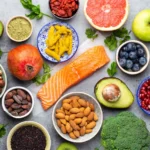
Superfoods aren’t just a trend. They’re nature’s way of packing powerful nutrients into the foods we eat every day. From supporting immunity to promoting long-term health, these nutrient-rich foods can make a real difference your daily life. But what exactly qualifies as a superfood, and how can you easily incorporate them into your busy life without overcomplicating your meals? Our latest articletalks about understanding their benefits and practical tips for adding them to your diet. Whether you’re a health enthusiast or just starting to rethink your eating habits, this guide will give you the tools to make smarter choices every day and show that eating well can be both enjoyable and empowering.
Unlock the Health Benefits of Superfoods
The term “superfoods” has become a buzzword in the health and wellness community, often touted as the key to optimal health and longevity. But what exactly are superfoods, why are they considered beneficial, and how can you incorporate them into your daily diet? This week, we’re exploring these health-packed foods to learn what science has to say about them and to discover how to include superfoods in your everyday routine.
Superfoods are nutrient-rich foods that can offer various health benefits when included as part of a balanced diet. By incorporating a variety of these foods into your meals, you can enjoy diverse flavors while supporting your overall health. Remember, the key to a healthy diet is balance and variety—no single food holds the key to good health. Consult with a healthcare professional or registered dietitian to create a diet plan that works best for your individual needs.
What Are Superfoods?
The term “superfood” is not a scientific classification but rather a marketing term used to describe foods that are exceptionally nutrient-dense and believed to confer various health benefits. It is defined as “a food that is rich in compounds considered beneficial to a person’s health.” These foods are typically rich in vitamins, minerals, antioxidants, and other nutrients that can support overall health.
While no single food can provide all the nutrients your body needs, superfoods can be powerful additions to a balanced diet. The key is variety and moderation, as eating a wide range of superfoods ensures you’re getting a broad spectrum of nutrients.
Why Superfoods Are Beneficial
- High Nutrient Density: Packed with vitamins and minerals with few calories.
- Antioxidants: Help neutralize free radicals, reducing risk of chronic diseases.
- Anti-Inflammatory: Reduce inflammation linked to arthritis, heart disease, and more.
- Heart Health : Foods like fatty fish and nuts can lower cholesterol and blood pressure.
- Digestive Health: Fiber-rich foods support digestion and gut balance.
- Brain Function: Berries and green tea may improve memory and cognition.
- Weight Management: Nutrient-dense foods increase satiety and support healthy weight.
Top Superfoods to Include
- Dark Leafy Greens: Kale, spinach, Swiss chard—vitamins, fiber, calcium; great raw, sautéed, or in smoothies.
- Berries: Blueberries, strawberries, raspberries—antioxidants, fiber; boost brain and heart health.
- Nuts & Seeds: Almonds, walnuts, chia, flax—healthy fats, protein; lower heart disease risk.
- Fatty Fish: Salmon, mackerel, sardines—omega-3s for heart and brain; 2+ servings/week.
- Legumes: Beans, lentils, chickpeas—protein, fiber; lower cholesterol and regulate blood sugar.
- Whole Grains: Quinoa, brown rice, oats, barley—fiber-rich; reduce risk of heart disease, obesity, diabetes.
- Fermented Foods: Yogurt, kefir, kimchi, sauerkraut—probiotics support gut health, immunity, and mental well-being.
Top Superfoods to Include
- Smoothies: Blend greens, berries, yogurt, and seeds.
- Salads: Add nuts, seeds, legumes, and colorful veggies.
- Snacking: Keep nuts, seeds, or sliced fruits/veggies handy.
- Cooking: Steam or roast veggies to preserve nutrients.
- Recipe Swaps: Use beans in soups, quinoa instead of rice, spinach in omelets.
- Meal Planning: Include a variety of superfoods throughout the week.
- Breakfast Boost: Sprinkle chia/flaxseeds on oatmeal or avocado toast.